

Every four years, the World Cup captures global attention. Billions watch. Millions try to attend. And prices—whether for tickets or ads—reach eye-popping levels.
But beneath the spectacle is a fascinating set of economic forces.
In this article and the accompanying video below, we examine four economic factors surrounding the World Cup.
Concept 1: Ticket Prices are High for a Reason
World Cup tickets are expensive. Sometimes very expensive. That’s not an accident—it’s economics.
You have:
A fixed number of seats
A global audience of billions
Once-in-a-lifetime demand
When demand is enormous and supply is limited, prices will be high. That’s exactly what we see.
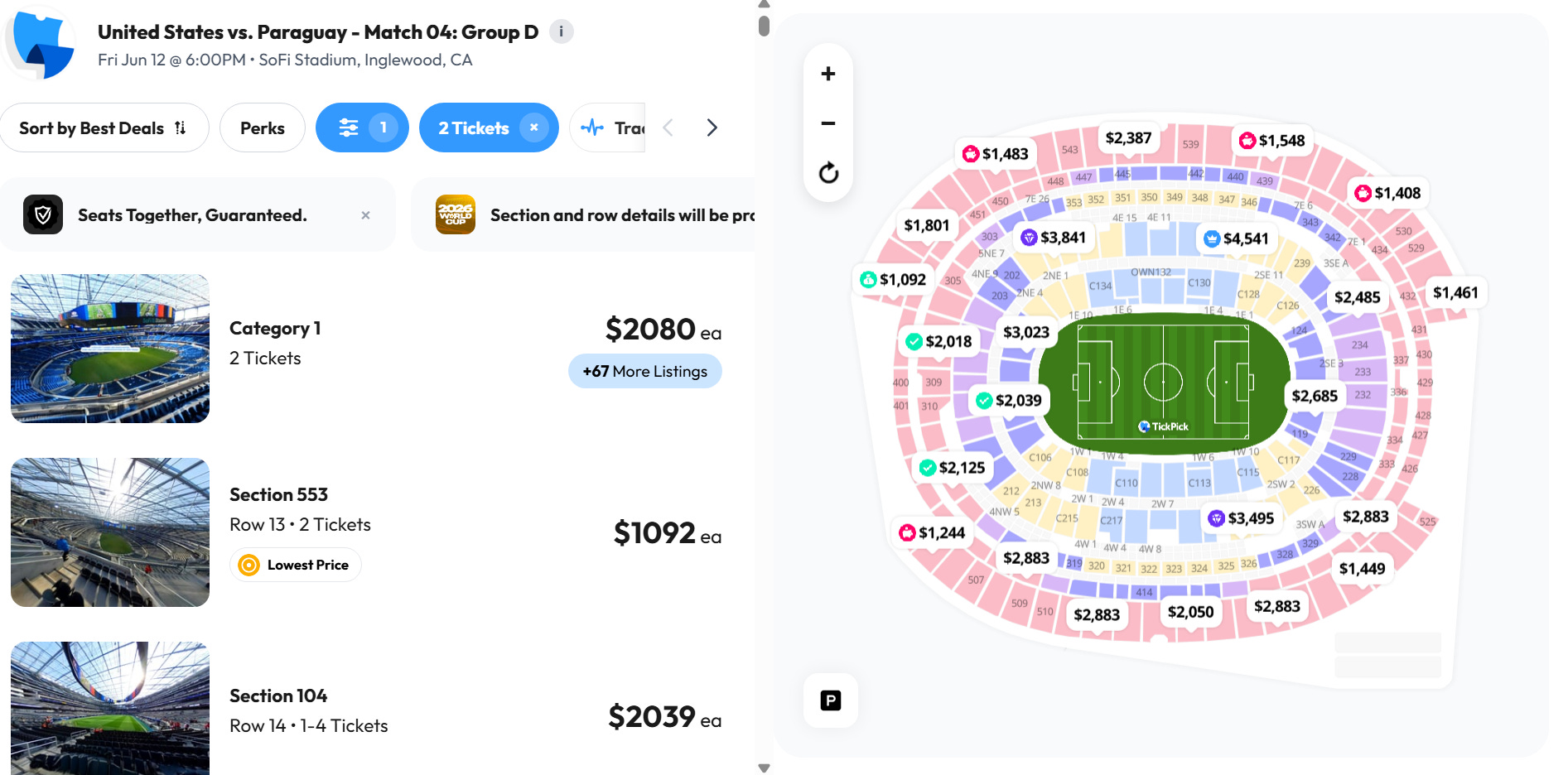
And then there’s the resale market. Even if FIFA sets an initial price, secondary markets reveal what people are actually willing to pay. Often, it’s much higher. Check out the screenshot of tickets for the US vs. Paraguay - good seats are generally $2,000 or more and the worst seats cost almost $1,100 a ticket.
Concept 2: Player Salaries are Lower Than You Might Expect
Given the scale of the World Cup, you might assume players are earning massive sums directly from the tournament. They are not.
Most players make their real money from club teams, not international play.
Why?
FIFA doesn’t share revenue the same way leagues do
Players represent countries, not franchises
National pride plays a major role
This creates a different labor market dynamic than what we see in the NFL, NBA, or Premier League.
Concept 3: TV Advertising: A Global Goldmine
If tickets aren’t the main revenue driver, what is?
Broadcasting and advertising.
The World Cup draws one of the largest audiences on the planet. That makes it incredibly valuable for networks and advertisers.
While ad prices don’t quite reach Super Bowl levels, they are still extremely high—and spread across dozens of matches, not just one game.
That scale is what makes the World Cup such a financial powerhouse.
Concept 4: Economic Impact: The Overstated Promise
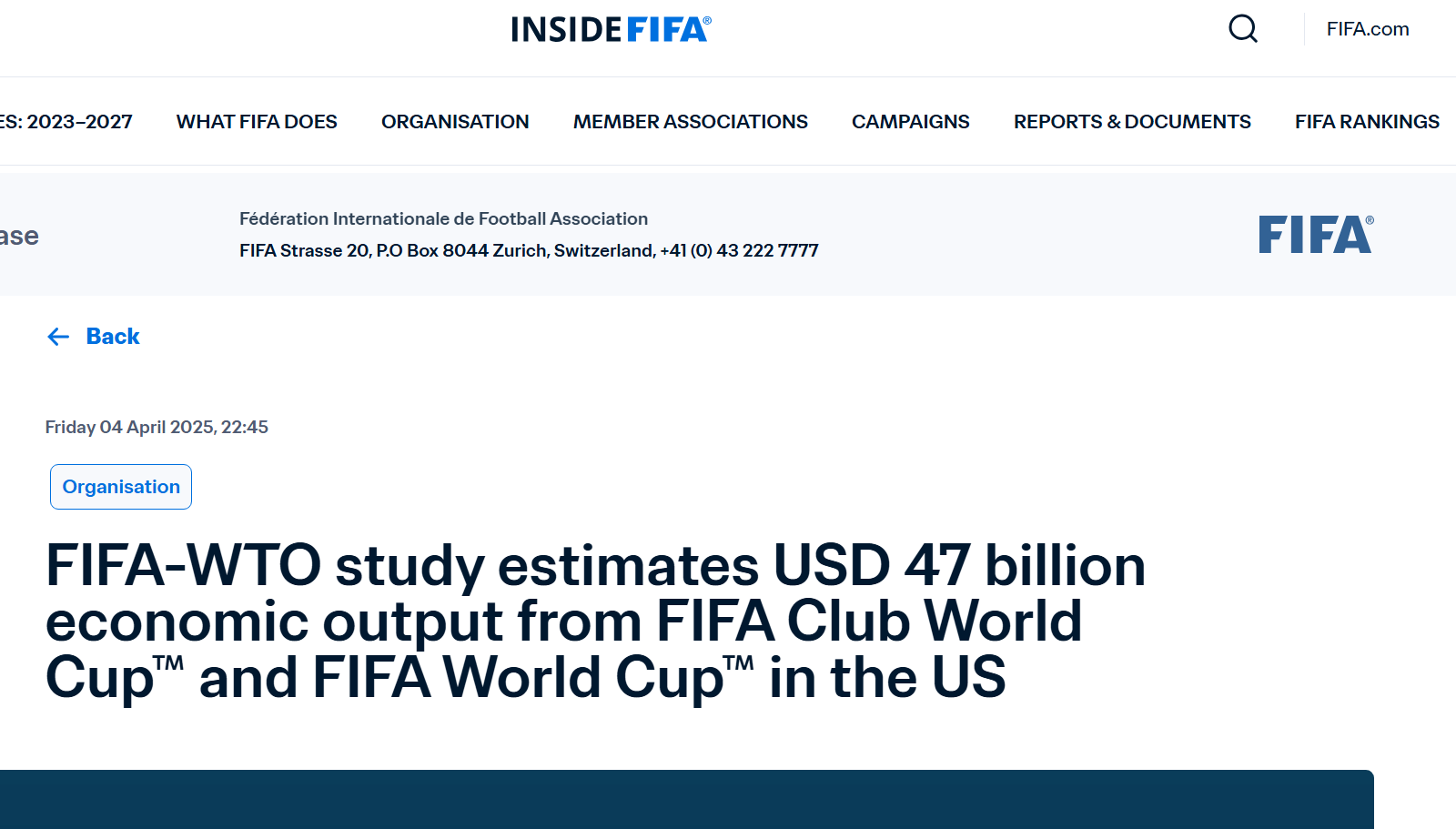
Every World Cup comes with bold claims of how much the games will help the economy, like with this article.
But economists like me tend to be skeptical.
Here’s why:
Substitution effect:
Money spent on the World Cup often replaces other spending, so it doesn’t really impact the economy. For example, if you were going to go to New York anyway, but just choose to go to see a World Cup game, the World Cup being there hasn’t increased economic activity.Leakage:
Some of the money flows outside of the country. For example, some of the ticket revenue flows to FIFA.Overestimated projections:
Groups producing these studies often have incentives to inflate the numbers.
That doesn’t mean there’s no economic benefits—but the economic impact is almost always much much smaller than advertised. The World Cup is no exception.
Final Thought … And Watch the Video
The World Cup isn’t just a sporting event—it’s a global economic phenomenon.
And like many big economic stories, the reality is more nuanced than the hype.
Fantastic breakdown! You explained the economics behind the World Cup so clearly—super easy to follow :)
Just curious, do the host cities get any long-term benefits from hosting?