

One of the most important lessons in economics is that there are no solutions, only trade-offs. (The quote is from one of my favorite economists.) Energy policy provides an opportunity to think about tradeoffs and season 1 of the hit TV show Landman has a great conversation discussing energy policy.
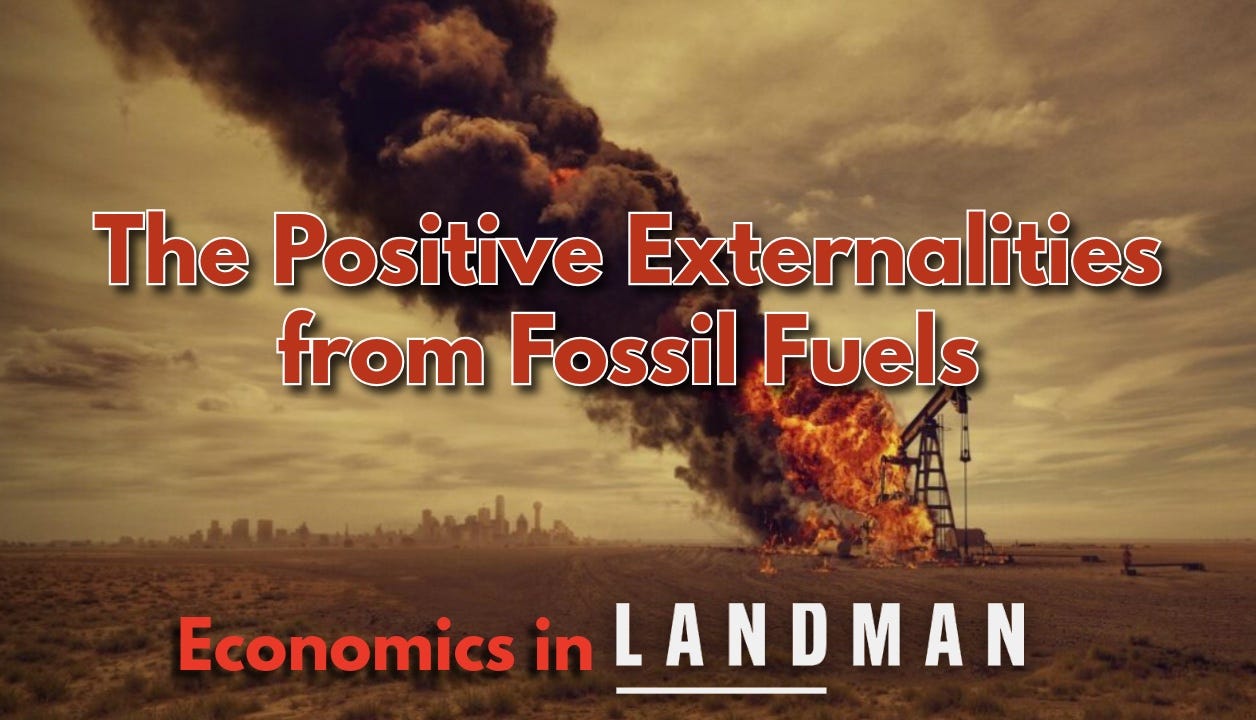
Tommy, Billy Bob Thornton’s character pushes back against Rebecca’s idea that “clean” energy is, well, clean. He points out that alternative energy sources have hidden monetary and environmental costs. He also points out that fossil fuels have generated enormous benefits. It’s not a subtle scene, but the economic insight underneath it is an important one.
(Warning - some NSFW language.)
The Negative Externalities from Energy
A negative externality occurs when a product or activity imposes costs on someone who isn’t the buyer and seller. One of the most common examples that economists use is with energy production, as pollution (from energy production) is a negative externality. With a negative externality, a solution often proposed is to tax the product that creates the externality. Others propose to regulate the products in other ways.
And yet, many economists talk about fossil fuels and only tell this half of the story. Economists - including in most textbooks - often discuss negative externalities from energy but completely ignore the positive externalities from abundant energy. This is horribly misleading. Naturally, the negative externality, pollution, from energy use matters. But ignoring the positive externalities is like doing a benefit cost analysis when ignoring the benefits.
The Positive Externalities from Energy
Fossil fuels create pollution, yes, but they also create the conditions for improvements in human well-being. Tommy says “the thing that’s gonna kill us all is running out before we find an alternative”. This implies that fossil fuels save lives, and it is true that fossil fuels have helped to improve the lives of basically everybody in the world. Further, cheap, abundant energy has saved tens of millions of lives across the world. Consider these examples:
Massive reductions in mortality through basic infrastructure
Cheap, reliable fossil-fuel energy made it possible to power clean water systems, sewage treatment, refrigeration, and hospitals. These innovations dramatically reduced deaths from waterborne disease, food spoilage, and lack of medical care—especially in low-income countries where energy reliability is a matter of survival, not convenience.Agricultural productivity and famine prevention
Fossil fuels power mechanized farming, irrigation systems, fertilizer production (via the Haber-Bosch process), and food transportation. With cheap energy, we all have food. Without it, people would starve.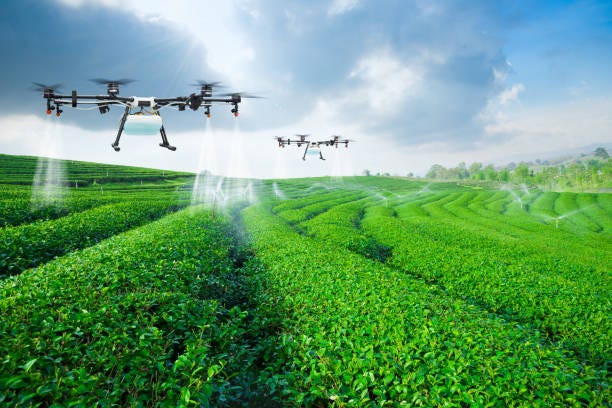
Economic growth through industrialization and job creation
Cheap energy lowers production costs, enabling factories, transportation networks, and supply chains to emerge. This leads to higher wages, more economic growth, and lower poverty.Health gains from indoor air quality
Access to fossil-fuel-based electricity and gas reduces reliance on indoor biomass burning (wood, dung, charcoal), decreasing respiratory disease .Resilience to climate and environmental shocks
Fossil-fuel energy enables heating, cooling, desalination, flood control, and disaster response. These technologies dramatically reduce deaths from extreme weather, heat waves, and cold exposure—helping poorer societies adapt and survive in challenging environments.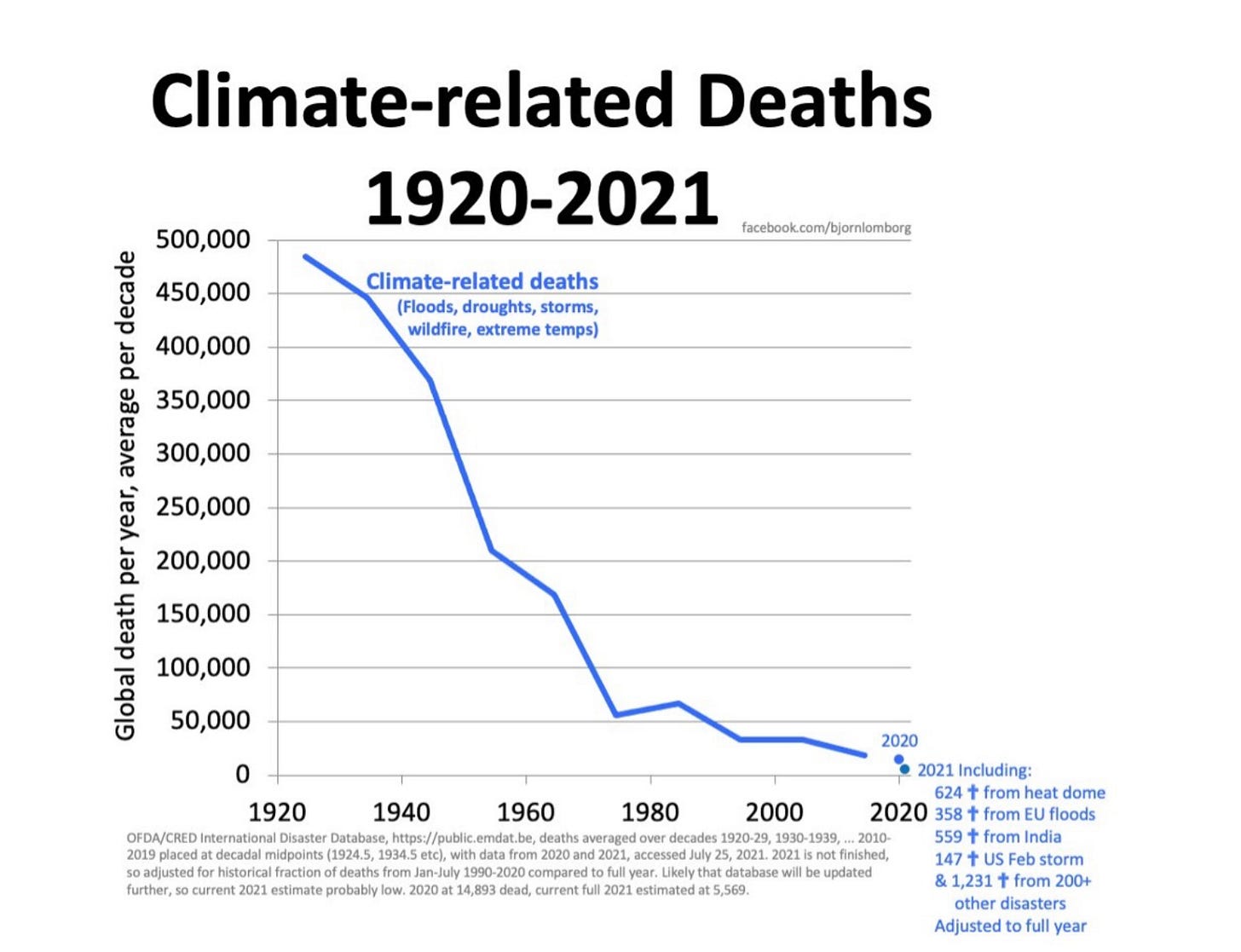

The energy debate, then, is not as much about choosing between “good” and “bad.” It’s about choosing between competing sets of trade-offs.
Eventually, I think and hope that the whole world will harness renewable energy in an inexpensive way. But that day isn’t today. Therefore, as Thomas Sowell says, there are no solutions, only tradeoffs.